Explainable and Interpretable Models are Important in Machine Learning
Learn to use libraries such as LIME, SHAP and others to determine the workings of black-box machine learning models with examples and illustrations, ensuring that they are safe, fair and have less bias

Artificial intelligence and machine learning models have garnered significant attention due to their incredible capabilities in generating texts, predicting sentiments, and making accurate forecasts. However, a growing focus within this field is on developing explainable and interpretable models.
Consider the scenario of building a loan default classifier based on factors like age, gender, and race. While the classifier may accurately predict defaults for a specific subset of the population, questions arise regarding its accuracy for other groups. Unfair advantages and biases can emerge, granting certain groups easier access to loans while disadvantaging others.
In this article, we delve into libraries that facilitate interpretability in machine learning models, such as LIME, SHAP, and others.
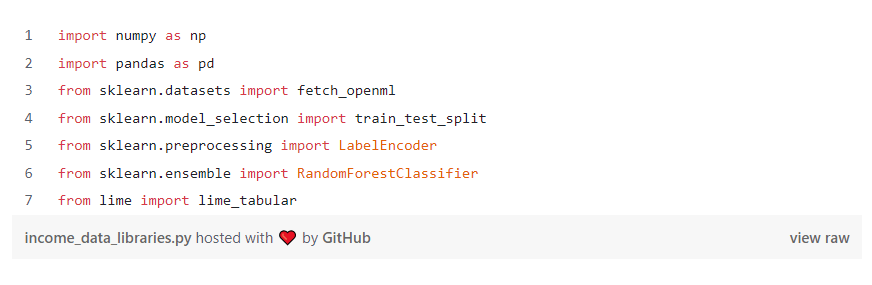
Import the Libraries
We will be importing a list of libraries that are important for the task of predicting whether a person is making an income of $50k dollars per annum.
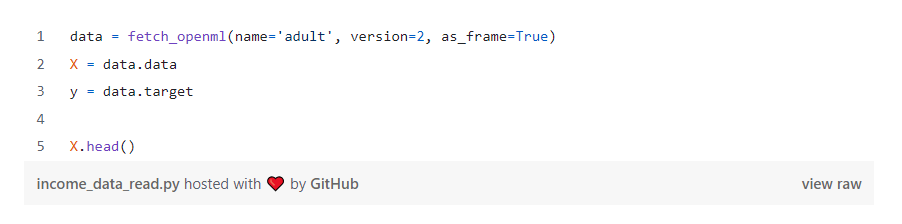
Read the Data
To facilitate data analysis, we utilize the
fetch_openml function, which allows us to retrieve the
data without storing it locally.
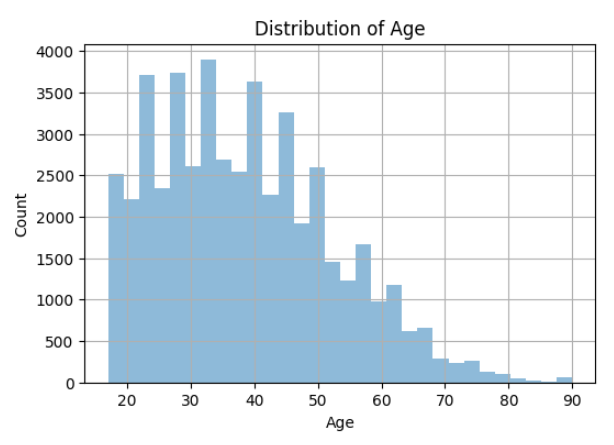
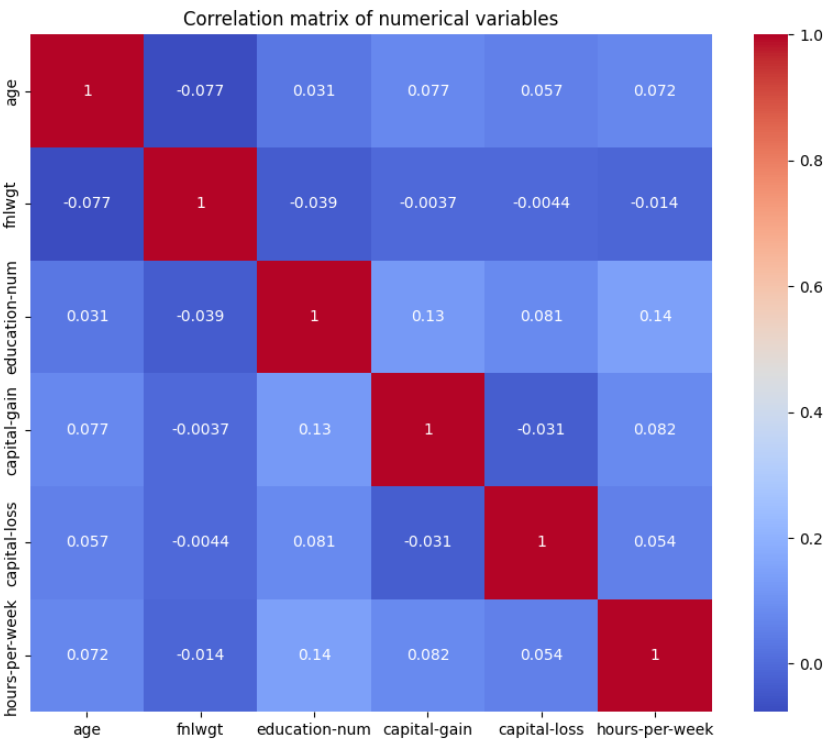
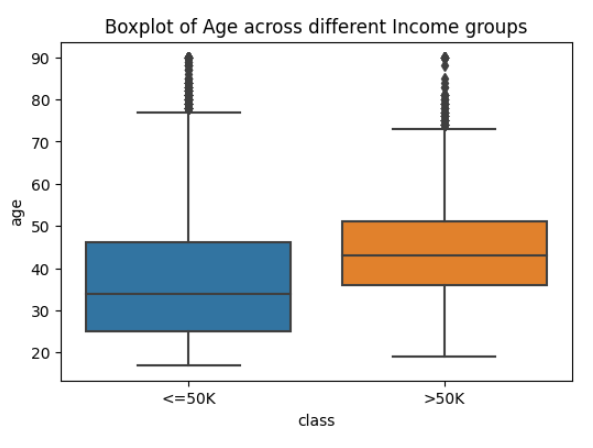
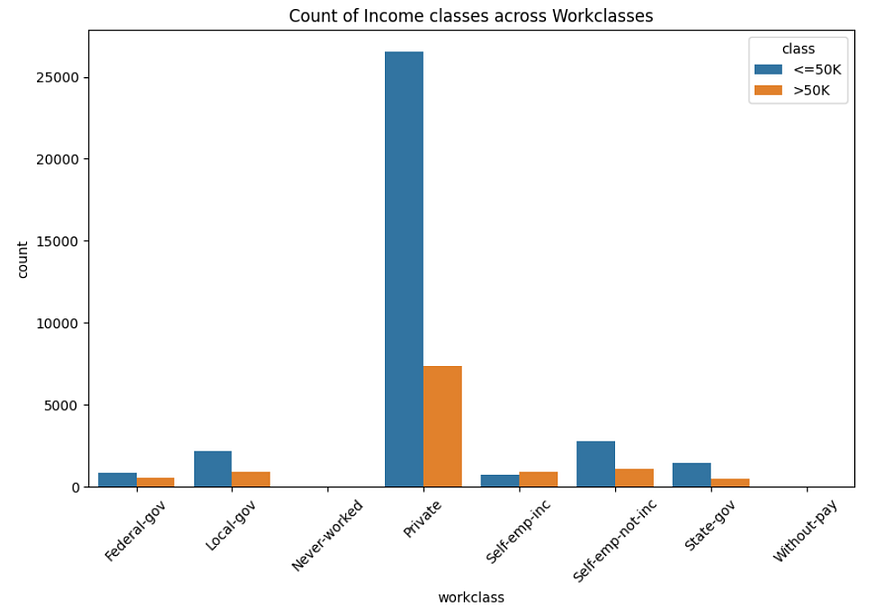
Exploratory Data Analysis (EDA)
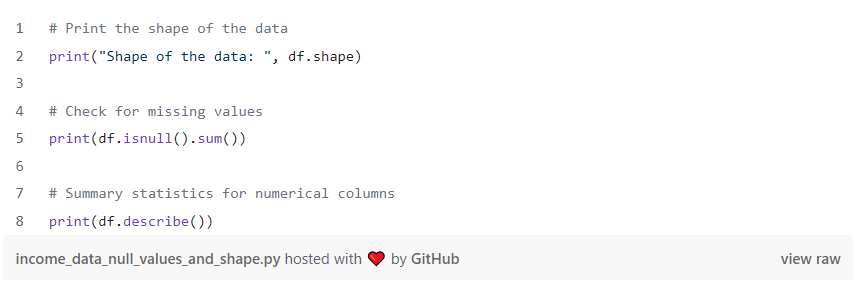
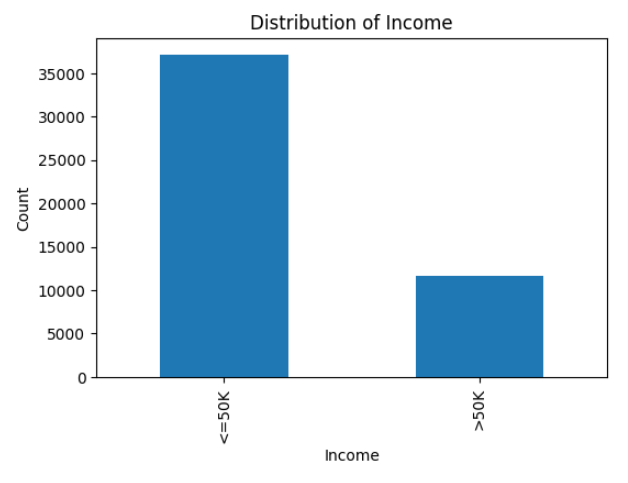
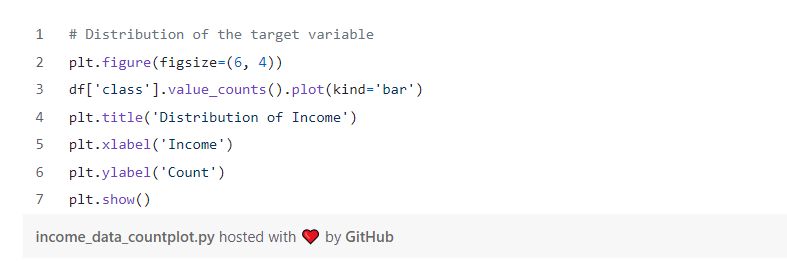
This is an important step in machine learning, where we tend to find patterns and trends in the data.
Machine Learning Predictions
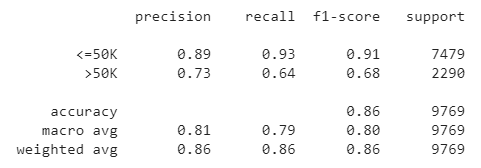
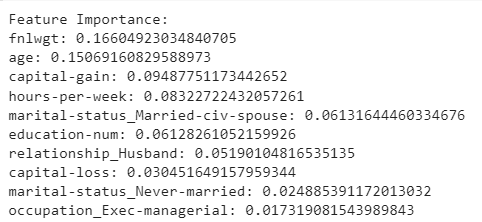
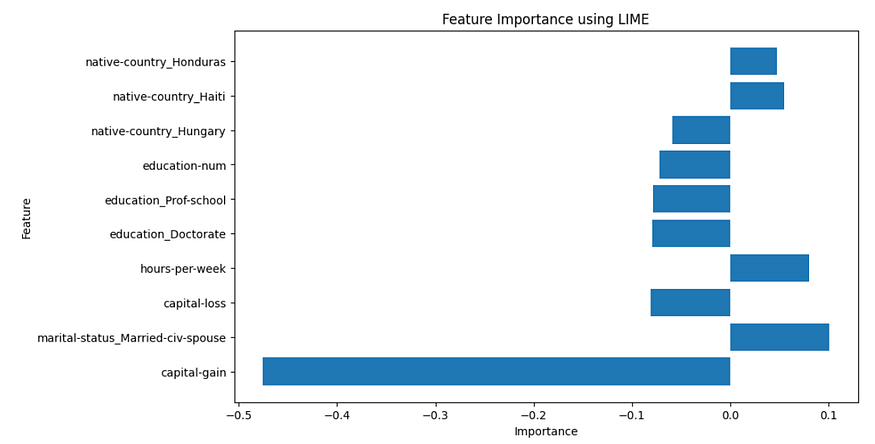
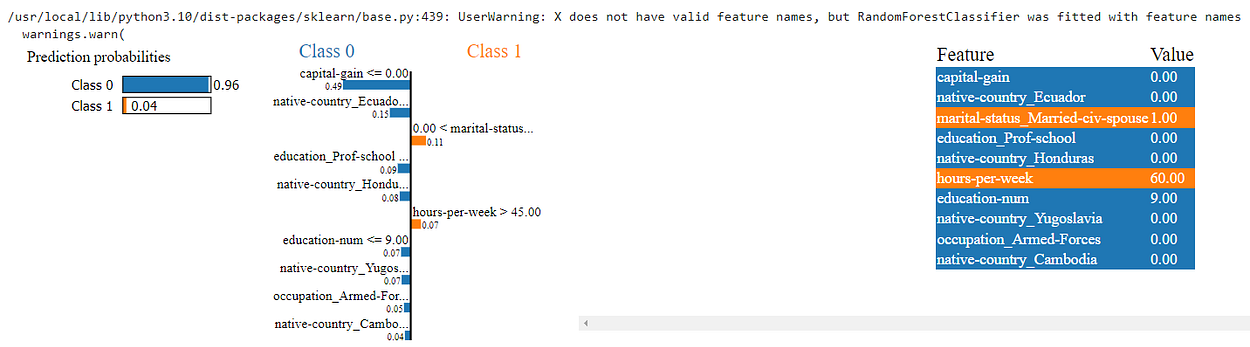
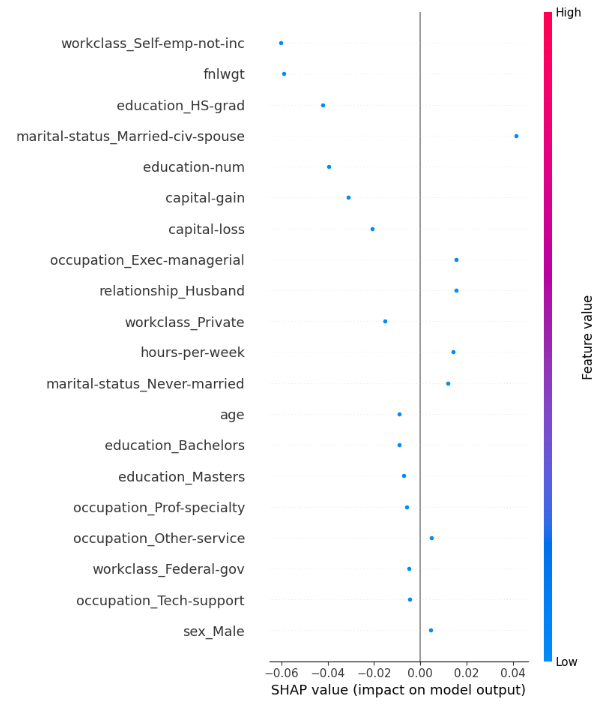
Interpretability and Explainability
Conclusion
In conclusion, this article highlights the importance of exploratory data analysis (EDA) in data science.
Through EDA and interpretability libraries, we gain a deeper understanding of our models’ inner workings.
Thank you for taking the time to read this article.